

Indoor Air Quality: How Your HVAC System Affects Your Health
The quality of the air we breathe indoors has increasingly become a primary concern, particularly as more people spend substantial amounts of time indoors. While outdoor air pollution is widely discussed, indoor air pollution can be significantly more harmful due to the enclosed spaces. HVAC systems are pivotal in managing indoor air quality (IAQ) as they regulate airflow, temperature, and humidity. However, the state of these systems can greatly influence the air quality, impacting human health. Here are just some of the ways that your HVAC system can affect the health of you and those around you, giving you a better idea when you need an air conditioning replacement.
The Basics of Indoor Air Quality (IAQ)
Indoor air quality (IAQ) refers to the air quality within and around buildings and structures, particularly as it relates to the health and comfort of building occupants. Poor IAQ is linked to a range of health effects, from short-term irritation to long-term health impacts like respiratory diseases. Several pollutants can degrade IAQ, including dust, pollen, mold spores, and chemicals from cleaning agents or building materials. Volatile organic compounds (VOCs) are also common indoor pollutants, often emitted by paints, varnishes, and various furnishings.
To maintain a healthy indoor environment, measuring IAQ is crucial. Air quality monitors are available that can detect pollutants such as carbon dioxide, VOCs, and particulate matter. These devices offer real-time data on air quality metrics such as temperature, humidity, and pollutant levels. Regular IAQ assessments help in identifying pollution sources and determining whether air quality falls within acceptable limits and when they falter, which may require an air conditioning replacement.
Common indoor pollutants include particulate matter, carbon monoxide, radon, and biological contaminants like mold and bacteria. These pollutants can originate from various sources, such as combustion appliances, tobacco smoke, building materials, and excess moisture. Health impacts from these pollutants vary but can lead to respiratory issues, headaches, and fatigue. Dust mites and pollen are also pervasive allergens found indoors that can exacerbate symptoms in sensitive individuals.
The Mechanics of HVAC Systems
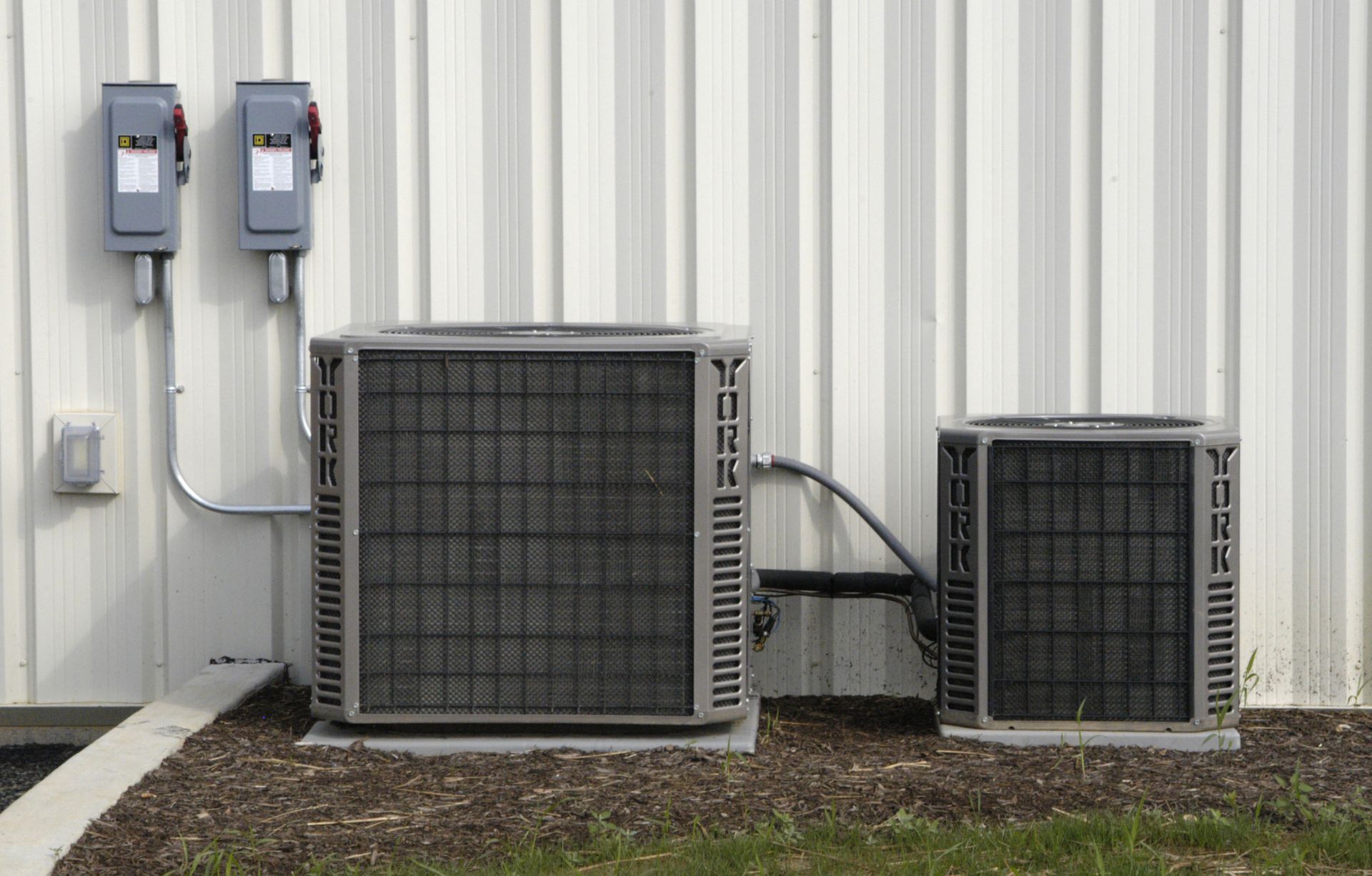
HVAC systems--which stand for Heating, Ventilation, and Air Conditioning--consist of multiple components working together to maintain comfortable indoor conditions. Key components include the furnace, heat exchanger, evaporator coil, condensing unit, refrigerant lines, ducts, and thermostats. Each part has a specific function, contributing to temperature regulation, ventilation, and humidity control. Proper functioning of these components is essential for effective operation and efficient energy use.
Air filters are an integral part of HVAC systems, tasked with removing impurities from the air that circulates through the system. Filters vary in effectiveness, with options ranging from basic fiberglass filters to high-efficiency particulate air (HEPA) filters capable of capturing ultrafine particles. Effective filtration systems not only enhance IAQ but also protect HVAC components from dust and dirt buildup that can impair function. Selecting the right filter involves considering factors such as the level of filtration needed and the compatibility with the existing HVAC system. Sometimes you may just need to change the filter rather than engaging in a full air conditioning replacement.
An HVAC system's capability to circulate and distribute air evenly throughout a building is critical for maintaining consistent IAQ and comfort. The ductwork plays a vital role, channeling conditioned air to various areas while returning stale air for reconditioning. Poorly designed or maintained duct systems can lead to uneven distribution, causing temperature and IAQ inconsistencies. Advancements in duct design and technology seep into automating air distribution, optimizing airflow for energy efficiency and comfort.
The Health Implications of Poor Indoor Air Quality
Poor indoor air quality can significantly impact respiratory health, leading to issues such as asthma and allergies. Pollutants such as dust, mold, and VOCs exacerbate respiratory conditions, causing symptoms like coughing, wheezing, and shortness of breath. HVAC systems that inadequately filter or circulate air contribute to the buildup of these pollutants. Given that, according to the U.S. Energy Information Administration, 88% of U.S. households used air conditioning in 2020, the widespread use of HVAC systems means effective pollutant control is essential.
There's growing evidence linking indoor air pollution to adverse cardiovascular effects. Particulate matter, especially in poorly ventilated spaces, can increase the risk of cardiovascular diseases. Pollutants such as carbon monoxide and VOCs interact with the cardiovascular system, potentially leading to hypertension and compromised heart function. Properly maintained HVAC systems play an important role in mitigating these risks by ensuring pollutant removal and adequate ventilation.
Children are particularly vulnerable to the negative health impacts of poor IAQ due to their developing respiratory and immune systems. Exposure to indoor pollutants in schools or homes can lead to increased risks of asthma, respiratory infections, and developmental issues. Ensuring high IAQ through effective HVAC operation is critical in settings frequented by children. Parents and educators must be proactive in monitoring and maintaining indoor environments to safeguard children's health.
The Benefits of Improving Indoor Air Quality
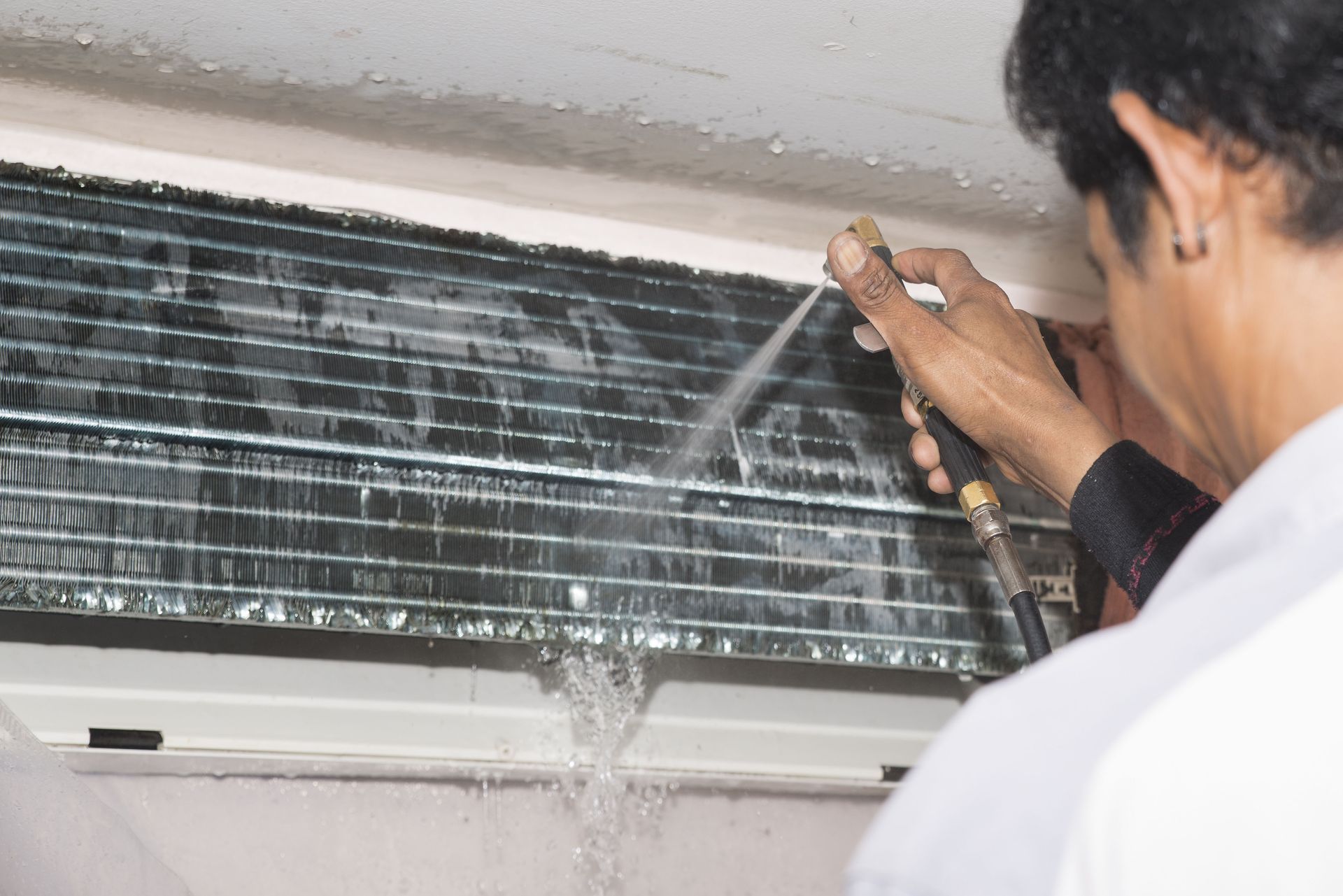
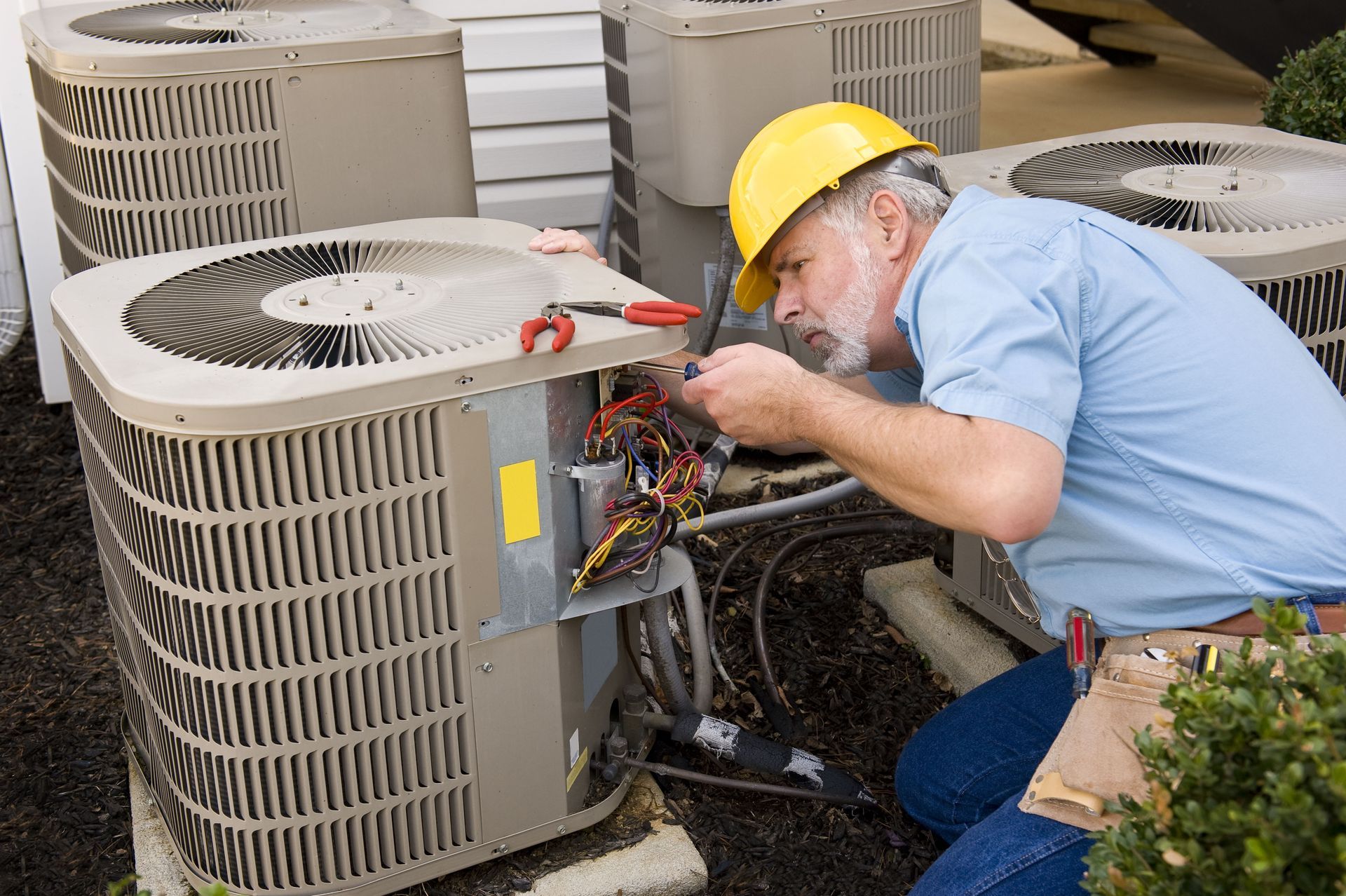
Regular maintenance of HVAC systems is essential to ensure they perform optimally and support healthy IAQ. Maintenance routines include tasks such as inspecting and cleaning ducts, checking thermostats, and ensuring there are no mechanical issues. Well-maintained systems function more efficiently and can effectively remove airborne contaminants. Cleaning coils and replacing filters are simple maintenance tasks with significant impacts on improving IAQ.
Improving ventilation is a crucial step in enhancing indoor air quality. Strategies to optimize ventilation include ensuring air exchange rates meet the required standards and correcting any airflow obstructions. HVAC systems with integrated ventilation capabilities can automatically regulate the intake of outdoor air while exhausting indoor air. Technologies such as energy recovery ventilators (ERVs) provide efficient air exchange without causing significant energy losses. An air conditioning replacement may allow you to take advantage of some of these benefits by upgrading from an outdated unit.
Keeping indoor humidity levels within the recommended range is essential for both comfort and health. HVAC systems often incorporate humidifiers or dehumidifiers that automatically adjust humidity levels based on environmental conditions. Excess humidity can lead to mold growth and increased allergen presence, while low humidity may cause dry skin and respiratory irritation.
The Role of Smart Technology in IAQ Management
Smart thermostats and sensors enable precise monitoring and control of indoor air quality parameters, ensuring optimum performance of HVAC systems. These devices gather data on temperature, humidity, and pollutant levels to provide real-time feedback and adjustments. Connectivity features allow users to manage their HVAC systems remotely, enhancing convenience and control.
Modern HVAC systems often integrate automated air purifiers that enhance the air cleaning process more efficiently. Automatic activation of these purifiers when pollutant levels spike ensures continuous high IAQ. HEPA and activated carbon filters are commonly used within these systems, capturing various pollutants and allergens. Automation reduces the need for manual intervention and increases the system's efficiency, providing peace of mind.
The capability to monitor and manage IAQ remotely has revolutionized how we interact with HVAC systems. Cloud-based systems provide access to real-time data from any location, making it easier to address IAQ issues as they arise. Smart technology enables alerts for system maintenance or when air quality parameters deviate from desired levels.
Indoor air quality plays a vital role in overall health and comfort, and HVAC systems have a direct impact on the air we breathe each day. By understanding how these systems function and committing to regular maintenance, homeowners and businesses can maintain healthier environments in both residential and commercial spaces. With most U.S. households relying on cooling systems, staying proactive about service, repairs, and even
air conditioning replacement when necessary is essential for protecting air quality. Taking steps to optimize system performance helps reduce potential health risks while improving efficiency and comfort. If you are ready to enhance your indoor air quality and ensure your system is operating at its best, contact Local Plumber and HVAC today to schedule a professional evaluation.
Share On: