

Benefits of Replacing an Older Air Conditioner
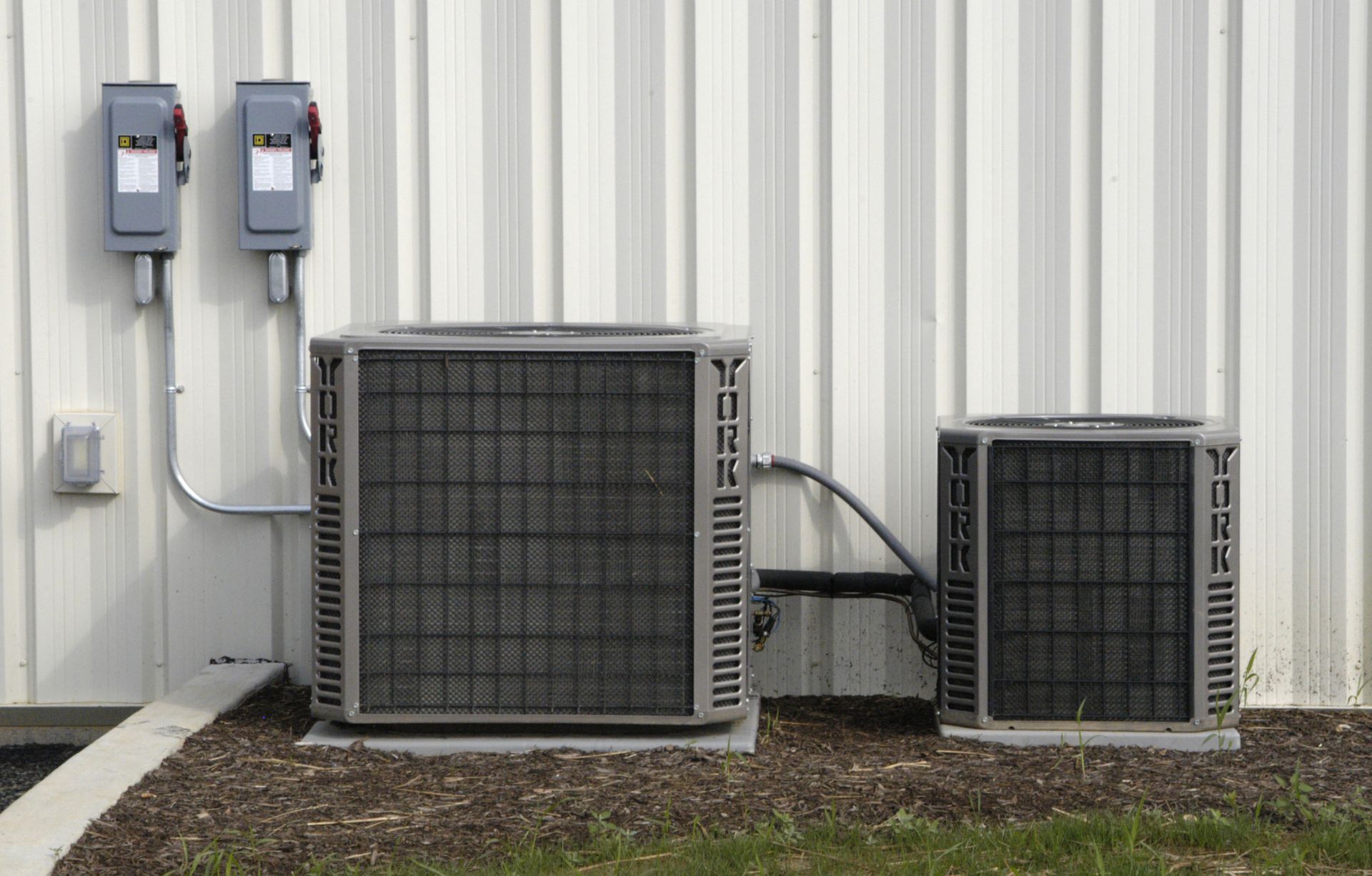
Air conditioning is a pivotal aspect of modern comfort, ensuring we maintain a pleasant environment regardless of external conditions. As technology advances, older air conditioning units often fall short in efficiency, leading to increased energy consumption and higher costs. In this article, we will explore the substantial benefits of upgrading to a newer, more efficient air conditioning system, demonstrating why this investment is worthwhile for both financial and environmental reasons.
Improved Energy Efficiency
Enhanced SEER Ratings
The Seasonal Energy Efficiency Ratio (SEER) rating is a crucial factor in determining how efficiently an air conditioner operates. Newer models boast higher SEER ratings than their predecessors, ensuring they use less energy to provide the same cooling output. This efficiency is not only beneficial for reducing energy bills but also plays a significant role in minimizing environmental impact. With a high SEER rating, homeowners can experience consistent comfort while also contributing to a reduction in national energy consumption. As energy costs continue to rise, investing in a unit with a higher SEER rating offers peace of mind through both immediate savings and long-term value.
Advanced Technology Integration
Modern air conditioning units integrate cutting-edge technology designed to maximize efficiency and user convenience. Innovations such as variable speed compressors allow the system to adjust its cooling output to meet current demand, providing precise temperature control while optimizing energy use. Additionally, advancements like smart thermostats enable remote management and scheduling, ensuring the system operates only when needed. These technologies work together to create a more agile system that responds dynamically to environmental changes and user preferences. As a result, technology integration not only improves comfort but also enhances the overall efficiency and lifespan of the air conditioning unit.
Reduced Operating Costs
Operational costs are a critical consideration for any household, and energy efficiency significantly influences these expenses. By upgrading to a more efficient air conditioner, homeowners can expect a noticeable reduction in monthly utility bills. The synergy of higher SEER ratings and advanced technology reduces energy consumption, driving down costs and increasing financial savings over time. Furthermore, the consistency of modern systems eliminates the need for overworking the unit, thereby reducing wear and tear and extending its lifespan. According to HomeGuide, AC repairs can take anywhere from one hour to eight hours, underscoring the importance of minimizing the need for such interventions through efficient operations.
Environmentally Friendly Refrigerants
Older air conditioners often use refrigerants like R-22, which are known to deplete the ozone layer and contribute to global warming. Newer models, however, utilize environmentally friendly refrigerants such as R-410A, which operate more efficiently and with less environmental impact. Adopting units with these eco-friendly refrigerants ensures compliance with increasingly strict environmental regulations and supports global sustainability efforts. The shift towards such refrigerants not only reduces the carbon footprint but also improves the cooling power of the system. Therefore, modern air conditioners serve as a green alternative that aligns performance with environmental responsibility.
Long-term Savings
While the initial cost of purchasing a new air conditioning system can appear daunting, the long-term savings justify the investment. Over time, reduced energy consumption leads to significant decrements in utility expenses, easily offsetting the original purchase price. Additionally, enhanced efficiency reduces the frequency of maintenance and repairs, translating into further savings. Modern systems are also built to last longer, meaning homeowners can enjoy reliable service for many years. In essence, the economic benefits of investing in a new, efficient air conditioner are realized not only in monthly savings but also in lower lifetime ownership costs.
Enhanced Cooling Performance
Faster Cooling Capabilities
One of the most noticeable benefits of modern air conditioning units is their ability to cool spaces more quickly and effectively. Advanced designs and technology have improved airflow, allowing these systems to reach desired temperatures in a shorter time frame. In turn, this rapid cooling prevents the need for prolonged operation, enhancing energy efficiency and comfort. Moreover, quick cooling capabilities are particularly beneficial during intense heat waves, ensuring a pleasant living environment without taxing the system. Consequently, homeowners experience immediate relief from the heat, underscoring the functional superiority of upgraded models over older units.
Consistent Temperature Maintenance
Modern air conditioning systems are equipped with features that enhance their ability to maintain a consistent indoor climate. Technologies like variable speed compressors and smart thermostats minimize temperature fluctuations, providing a steady and comfortable environment. This consistency is particularly crucial in areas with variable climate conditions, where maintaining an optimal indoor temperature can be challenging. With precise temperature control, newer units contribute not only to comfort but also to reducing stress on the system. As a result, this stability helps extend the lifespan of the air conditioner while improving overall user satisfaction.
Improved Air Distribution
Efficient air distribution is essential for achieving uniform cooling throughout a space. Modern air conditioning systems employ innovative designs that enhance airflow and ensure even temperature distribution across all areas of a home or office. Features like adjustable air outlets and high-efficiency fans help direct air precisely where it's needed, eliminating cold spots and maximizing comfort. As such, improved air distribution plays a critical role in optimizing the system's performance, ensuring every corner of the space benefits from the conditioning. This advancement highlights the comprehensive approach modern units take to delivering unparalleled cooling performance.
Advanced Humidity Control
Humidity control is a vital aspect of maintaining indoor comfort and air quality. Newer air conditioning units excel in dehumidification, efficiently extracting moisture from indoor air to create a more comfortable environment. By utilizing enhanced features like multiple cooling speeds and smart sensors, these systems adjust operations to maintain optimal humidity levels automatically. This capability not only improves comfort but also helps prevent the growth of mold and mildew, which can thrive in overly humid conditions. In sum, advanced humidity control elevates modern air conditioners as essential tools for maintaining healthy, comfortable indoor spaces.
Increased Reliability and Durability
Longer Lifespan
The reliability of an air conditioning system is paramount for ensuring consistent comfort in any home. Modern air conditioners are designed with durable materials and sophisticated engineering, contributing to a significantly longer operational lifespan compared to older models. By investing in units with improved build quality, homeowners can expect reduced frequency of breakdowns and extended service life. This durability not only ensures continued performance but also mitigates the costs associated with frequent repairs and replacements. Overall, the longevity of modern systems represents a crucial advantage, offering sustained value and reassured operation over the years.
Less Frequent Repairs
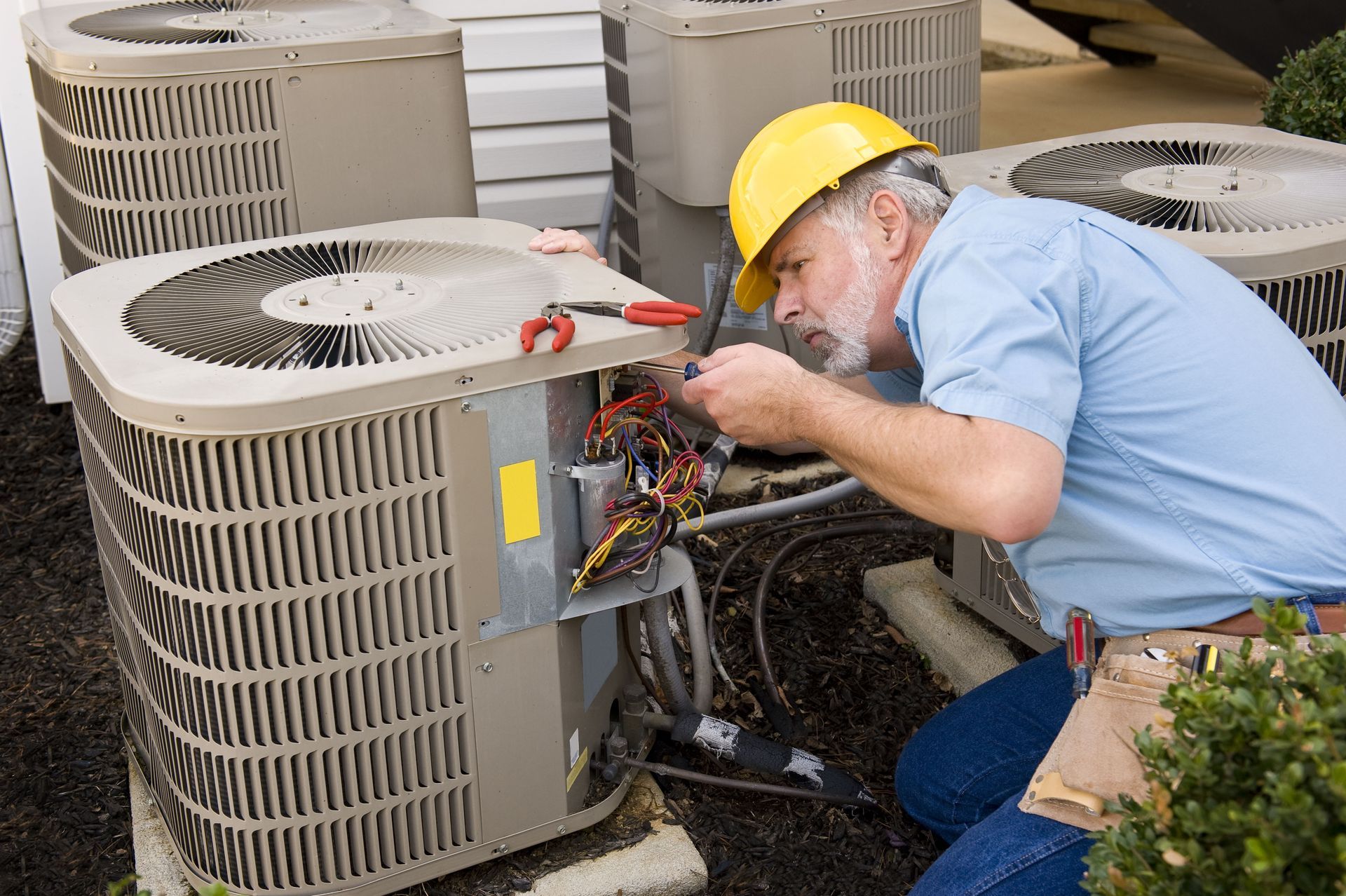
Air conditioner repairs can be both time-consuming and costly, especially during peak usage periods. Newer models are crafted with durable components and robust manufacturing standards that minimize the likelihood of breakdowns. Consequently, these units require fewer repairs, reducing both stress and expenditure for homeowners. According to HomeGuide, while AC repairs can take anywhere from 1 hour to 8 hours, the quality and reliability of modern systems significantly lessen such inconveniences. This means not only fewer interruptions but also a reduced financial burden from unforeseen repair costs, making modern units a wise choice for long-term practicality.
A major advantage of newer air conditioning systems is the comprehensive warranties often provided by manufacturers. These warranties often cover a wide range of potential issues, from parts replacement to labor costs, providing peace of mind to homeowners. The extensive coverage offered by these warranties ensures that any unexpected problems can be addressed promptly without additional financial strain. In addition, these warranties often reflect the manufacturer's confidence in the durability and performance of their products, serving as a testament to their quality. Thus, comprehensive warranties are a beneficial aspect that enhances the appeal of modern air conditioners. Be sure to reach out to Local Plumber and HVAC today to learn more about our professional AC replacement!
Share On: