
Emergency HVAC Breakdown: A Step-by-Step Guide While You Wait for the Technician
When the peak of summer hits or the dead of winter settles in, your heating, ventilation, and air conditioning system becomes your best friend. But what happens when that system suddenly stops working? An emergency HVAC breakdown can send any homeowner into an immediate state of panic. We know that waiting for a technician to arrive can feel like an eternity, especially when the temperatures inside your home are rapidly rising or dangerously falling.
While our expert technicians are en route to restore your comfort, there are several crucial actions you can take to manage the situation safely and effectively. Sometimes, what seems like a simple glitch could point to larger issues that might necessitate air conditioning replacements. Whether you are facing a minor electrical hiccup or a total system failure, following a structured protocol can protect your home, ensure your family’s safety, and help our technicians diagnose the problem faster once they arrive.
Assess the Immediate Situation
The very first thing you need to do is remain calm and assess the immediate situation safely. If you smell gas, notice a burning odor, or see smoke coming from your vents or the HVAC unit itself, this is a severe emergency. Evacuate your home immediately and call emergency services, followed by your utility provider. Do not attempt to fix electrical or gas-related issues yourself.
If there are no immediate safety hazards, turn your system off completely at the thermostat. Continuing to run a malfunctioning HVAC system can cause further, potentially irreversible damage to the internal components. By shutting the system down, you prevent a minor repair from escalating into a catastrophic failure that could leave you with no choice but to consider premature air conditioning replacements before you are financially ready.
Check Your Thermostat Settings
You might be surprised to learn how many emergency service calls end up being simple thermostat issues. Before you start worrying about expensive repairs, take a close look at your home's central thermostat. Ensure that the device actually has power; if the digital screen is blank, try replacing the batteries first.
Double-check that the system is set to the correct mode — "cool" during the hot summer and "heat" during the freezing winter. Sometimes, a simple accidental bump can switch the setting to "fan only" or "off." Additionally, verify that the temperature set point is significantly lower (or higher, for heating) than the current room temperature. A quick recalibration or a simple battery swap might just solve your problem immediately and save you a service call.
Inspect the Circuit Breakers
If your thermostat is fully functional but the HVAC unit remains completely unresponsive, the next logical step is to check your home’s electrical panel. HVAC systems draw a substantial amount of power, and an unexpected power surge or an overloaded circuit can easily trip the breaker.
Locate your electrical panel and search for the breaker switch specifically labeled for your HVAC system. If it has moved to the "off" or "neutral" position, firmly switch it completely off, then flip it back to the "on" position. If the breaker trips again immediately after resetting it, do not force it back on. This indicates a serious electrical short. Repeatedly resetting a tripping breaker can cause electrical fires and severe compressor damage.
Examine Your Air Filters
Airflow is the lifeblood of any residential heating and cooling system. A severely clogged air filter can restrict airflow so dramatically that it causes the system's internal safety switches to shut the entire unit down. In the summer, blocked airflow can cause the evaporator coil to freeze solid into a block of ice. In the winter, it can cause the furnace to dangerously overheat.
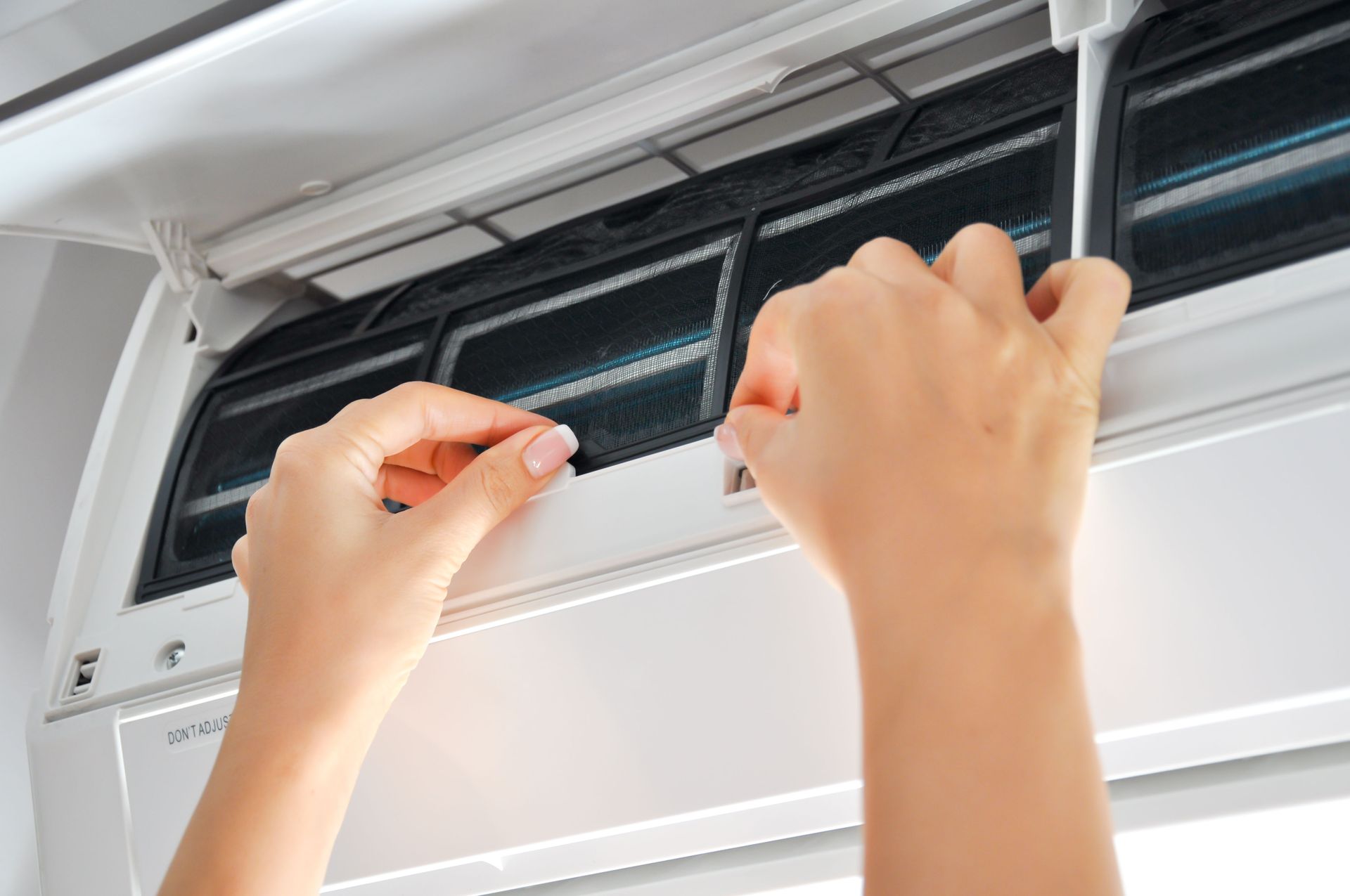
Locate your return air vents or the filter slot on your main indoor unit and pull out the filter. If it is caked with a thick layer of dust, pet hair, and debris, replace it immediately. Regular filter maintenance is one of the easiest ways to prolong the life of your unit and push back the timeline for future air conditioning replacements.
Clear the Surrounding Area
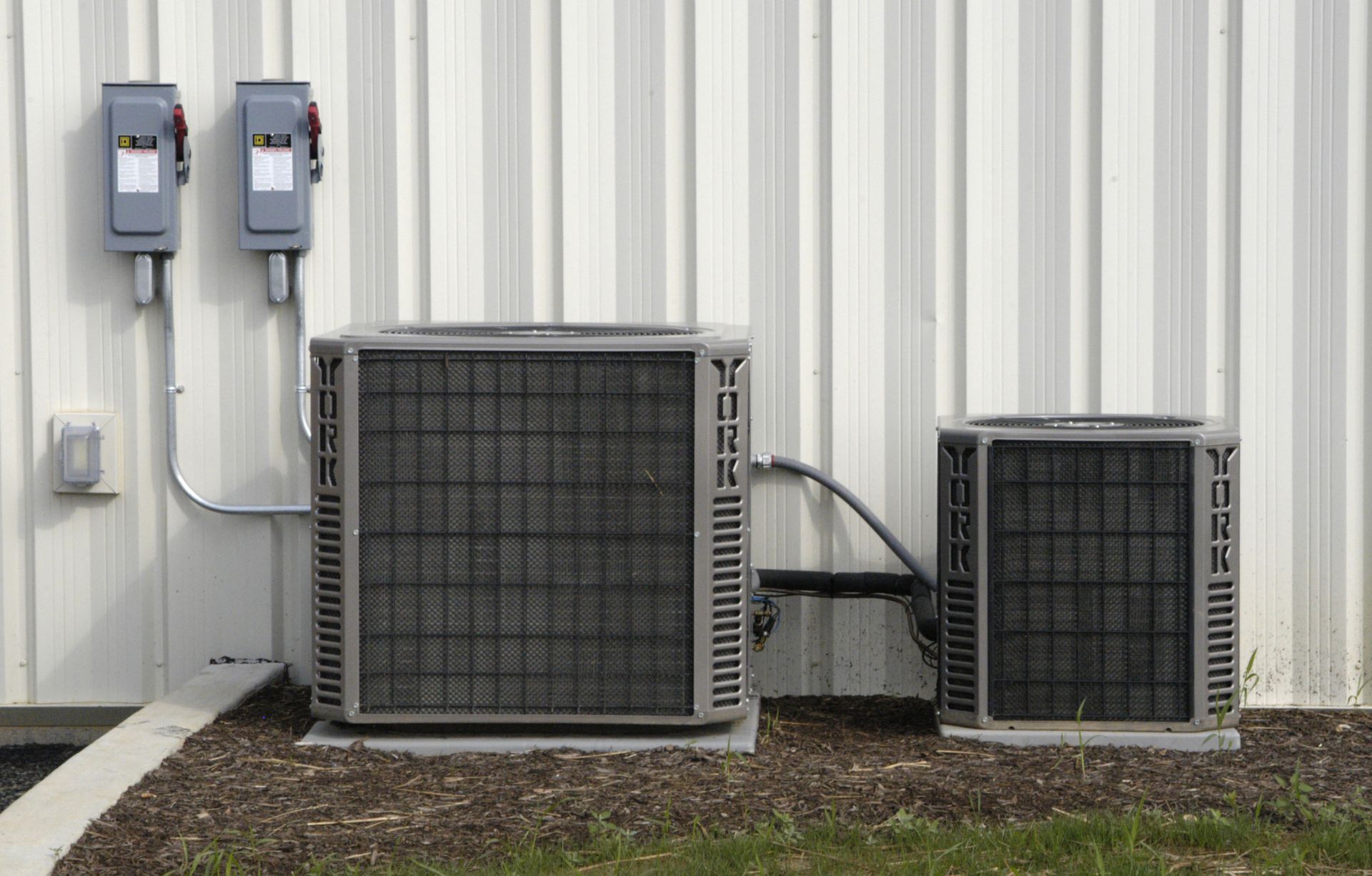
While you wait for our technicians to arrive, take a moment to inspect the area around your indoor and outdoor units. For the outdoor condenser, make sure there are no overgrown bushes, weeds, or lawn debris blocking the metal fins. The system needs at least two feet of clearance on all sides to exhaust heat properly.
Indoors, ensure that furniture, thick rugs, or heavy curtains are not blocking your supply and return vents. Furthermore, clear a wide, safe path to your basement, utility closet, or attic where the primary indoor unit is located. Giving our technicians clean, unobstructed access to the equipment will speed up the diagnostic process significantly, whether they are performing a minor repair or taking measurements for air conditioning replacements.
Document the System Symptoms
Information is a technician's absolute best tool. While you wait, take out a notepad and write down exactly what happened leading up to the breakdown. Did you hear any strange noises, such as loud banging, screeching, or grinding? Was the system blowing warm air when it should have been cooling?
Did the breakdown happen suddenly, or have you noticed a gradual decline in performance over the past few weeks? Note the approximate age of your system, the model number, and any past repair history if you have it readily available. Providing this detailed history helps us determine whether a simple part needs swapping or if we need to start discussing the logistics and long-term benefits of air conditioning replacements for your aging unit.
Prioritize Your Indoor Comfort
Depending on the weather outside, your home can become uncomfortably hot or dangerously cold very quickly. While waiting for professional help, focus on keeping your family comfortable. During a summer breakdown, close all blinds and heavy curtains to block out the harsh radiant heat from the sun. Keep interior doors open to promote better air circulation, and use ceiling fans or portable box fans to create a cooling breeze. Avoid using heat-generating appliances like ovens, stoves, or clothes dryers.
In a winter breakdown, gather your family in one central room, close the doors to unused spaces, and utilize heavy blankets or space heaters safely. Keeping everyone safe minimizes stress while our professionals navigate traffic to get to your door.
Evaluate Your System Lifespan
Finally, use this downtime to mentally prepare for the potential outcomes of the technician's visit and evaluate the overall health of your property's climate control setup. According to Workyard, residential systems make up nearly 40% of the HVAC market, with air conditioning dominating in extreme seasonal climates. Because these highly utilized systems work so incredibly hard, they naturally have a finite lifespan.
In our experience, if your unit is over 10 to 15 years old, uses outdated and expensive R-22 refrigerant, or has required frequent and costly repairs recently, this current breakdown might be the final warning sign. It is extremely wise to familiarize yourself with the current modern options for air conditioning replacements. Modern high-efficiency systems are vastly more energy-efficient and can significantly lower your monthly utility bills over time, offsetting the initial installation costs.
Await the Expert Technicians
When our technicians arrive to evaluate your unit, they will provide a thorough, honest, and transparent assessment of your equipment. If the total cost of the required emergency repair approaches half the overall value of the unit, we often recommend exploring air conditioning replacements as the most financially sound long-term investment for your property.
An unexpected HVAC failure is never convenient, but knowing how to properly handle the interim waiting period can make a world of difference. By carefully following this step-by-step guide, you protect your home, ensure your family's well-being, and set the stage for a swift, efficient repair. Whether your system needs a minor mechanical tune-up or you need full air conditioning replacements, Local Plumber and HVAC is ready to help you reclaim your comfortable indoor environment.
Share On: