

AC Replacement: What to Expect When Installing a New Heat Pump Air Conditioner
When it comes to maintaining a comfortable indoor environment, a high-quality HVAC system plays a crucial role. As these units age, the need for an AC replacement becomes inevitable to maintain efficiency and comfort. Homeowners looking for a versatile solution often turn to heat pump air conditioners, which provide both heating and cooling in a single unit. This transition represents a significant upgrade in home technology, offering consistent temperatures throughout the year while reducing the complexity of managing multiple systems. Understanding the steps involved in this process ensures that you are prepared for the transition and can enjoy the long-term benefits of a modern, high-performance system.
Improving Efficiency Through Modern Upgrades
The primary motivation for an AC replacement is often the pursuit of better energy efficiency. Modern heat pump systems utilize advanced refrigeration cycles to move heat rather than generating it through combustion. This process makes them significantly more effective than older, traditional models. Efficiency is typically measured by ratings that indicate how well the unit performs over a season. By choosing a system with high performance ratings, homeowners can see a noticeable reduction in monthly utility costs. These systems are designed to operate smoothly in various climates, providing a reliable source of comfort regardless of the outdoor temperature.
Market Growth and Technological Adoption
The shift toward these advanced systems is reflected in national economic trends and consumer preferences. According to Factmr.com, the market for split HVAC systems within the United States is anticipated to increase from a value of $12.85 billion in 2025 to nearly $30 billion by the year 2035. This projected growth highlights how many homeowners are prioritizing an AC replacement to take advantage of modern climate control technology. As more residents move away from fossil-fuel-based heating and toward electric heat pumps, the industry continues to innovate, offering quieter operation and more precise temperature management for residential properties across the country.
Versatility and Environmental Benefits
Choosing a heat pump for your AC replacement offers unique advantages over standard air conditioning units. Because a heat pump can reverse its operation, it serves as a furnace in the winter and an air conditioner in the summer. This dual functionality is not only space-saving but also environmentally friendly. Since these units run on electricity, they have a lower carbon footprint than systems that rely on oil or gas. Many modern models also feature sophisticated air filtration systems that remove dust and allergens, leading to better indoor air quality and a healthier living environment for every member of the household.
Selecting the Proper System Configuration
There are several different configurations available when you decide it is time for an AC replacement. Air-source systems are the most common and are widely utilized because they are relatively simple to integrate into homes with existing ductwork. For homes that lack ducts, mini-split systems offer a flexible alternative, allowing for localized cooling and heating in specific rooms. Ground-source options, while requiring a larger initial investment, offer the highest levels of efficiency by tapping into the stable temperatures beneath the earth's surface. Selecting the right configuration depends on your home's architecture and your specific comfort goals.
The Importance of Precision Sizing
A critical step in the process of an AC replacement is ensuring the new unit is sized correctly for the specific square footage of your home. A system that is too small will struggle to maintain the desired temperature, while one that is too large may cycle on and off too frequently, leading to unnecessary wear and tear. Professional technicians perform detailed calculations that take into account insulation quality, window placement, and local climate patterns. This ensures that the new installation provides balanced airflow and maintains steady humidity levels, which are essential for overall home comfort and system longevity.
Financial Planning and Incentives
Budgeting for an AC replacement involves considering the initial cost of the unit along with the potential for long-term savings. While the upfront price of a high-efficiency heat pump may be higher than a standard model, the reduction in energy consumption often pays for the difference over time. Homeowners should also look into local rebates and federal tax credits designed to encourage the installation of energy-efficient appliances. These financial incentives can significantly lower the total investment cost. Obtaining a detailed estimate that includes labor and any necessary electrical upgrades will help you plan effectively for this important home improvement project.
Initial Site Evaluation and Planning
The installation journey begins with a comprehensive site evaluation conducted by a professional team. During this visit, technicians inspect your current setup, including the condition of the ductwork and the electrical panel. They identify any modifications needed to support the new technology involved in an AC replacement. This planning phase is the best time to discuss your specific needs, such as smart thermostat integration or specific cooling zones. A thorough assessment ensures that there are no surprises during the physical installation and that the new system is perfectly calibrated to work within your home's unique infrastructure.
Safe Removal of Existing Equipment
Once the plan is in place, the physical work of the AC replacement starts with the safe removal of the old equipment. This process requires tools and knowledge to handle refrigerant recovery and disposal according to environmental regulations. Professional installers take great care to protect your flooring and walls while moving heavy machinery out of the home. After the old unit is removed, the area is cleaned and prepped for the new components. This may involve leveling the outdoor pad or reinforcing the indoor mounting area to ensure the new heat pump has a stable and secure foundation for operation.
Professional Installation of New Components
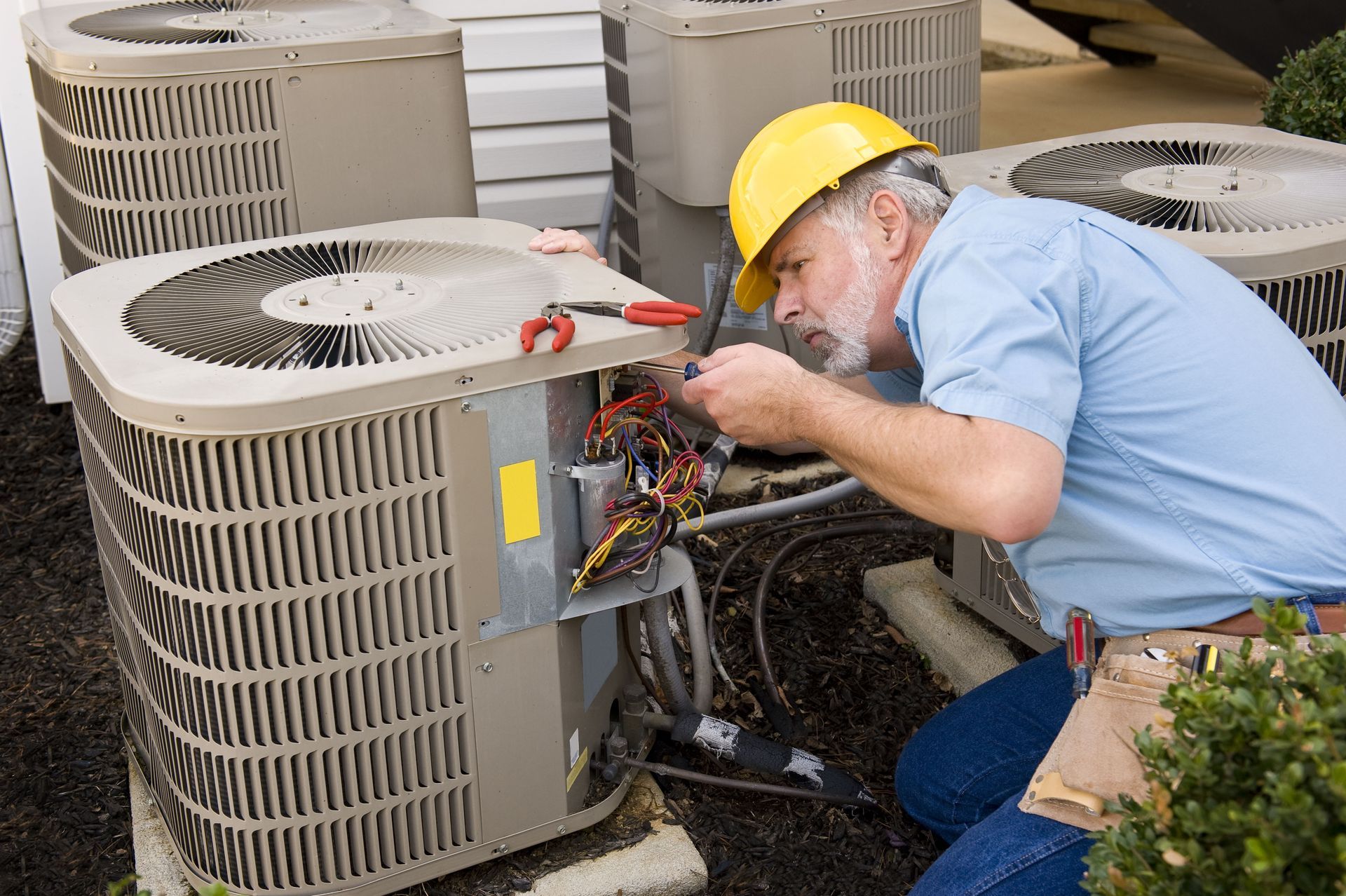
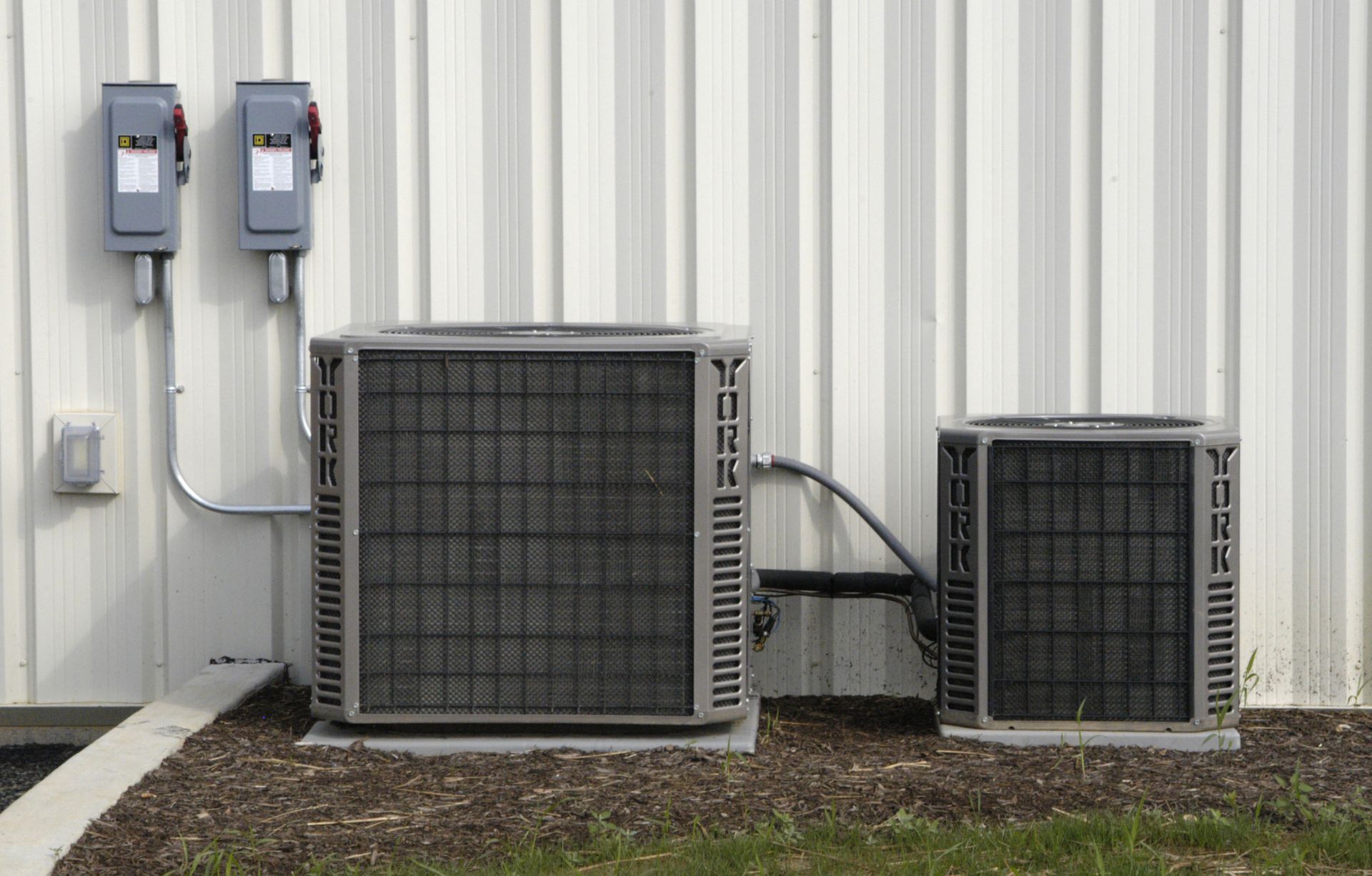
The actual installation of the new heat pump is a technical process that requires precise skills. Technicians place the outdoor condenser unit and the indoor air handler, then connect them using specialized refrigerant lines and electrical wiring. During an AC replacement, every connection must be airtight and properly insulated to prevent energy loss. The team also ensures that the drainage system for condensation is correctly routed to prevent moisture issues. This meticulous attention to detail during the setup phase is what guarantees the system will run at peak performance for many years to come.
System Testing and Final Calibration
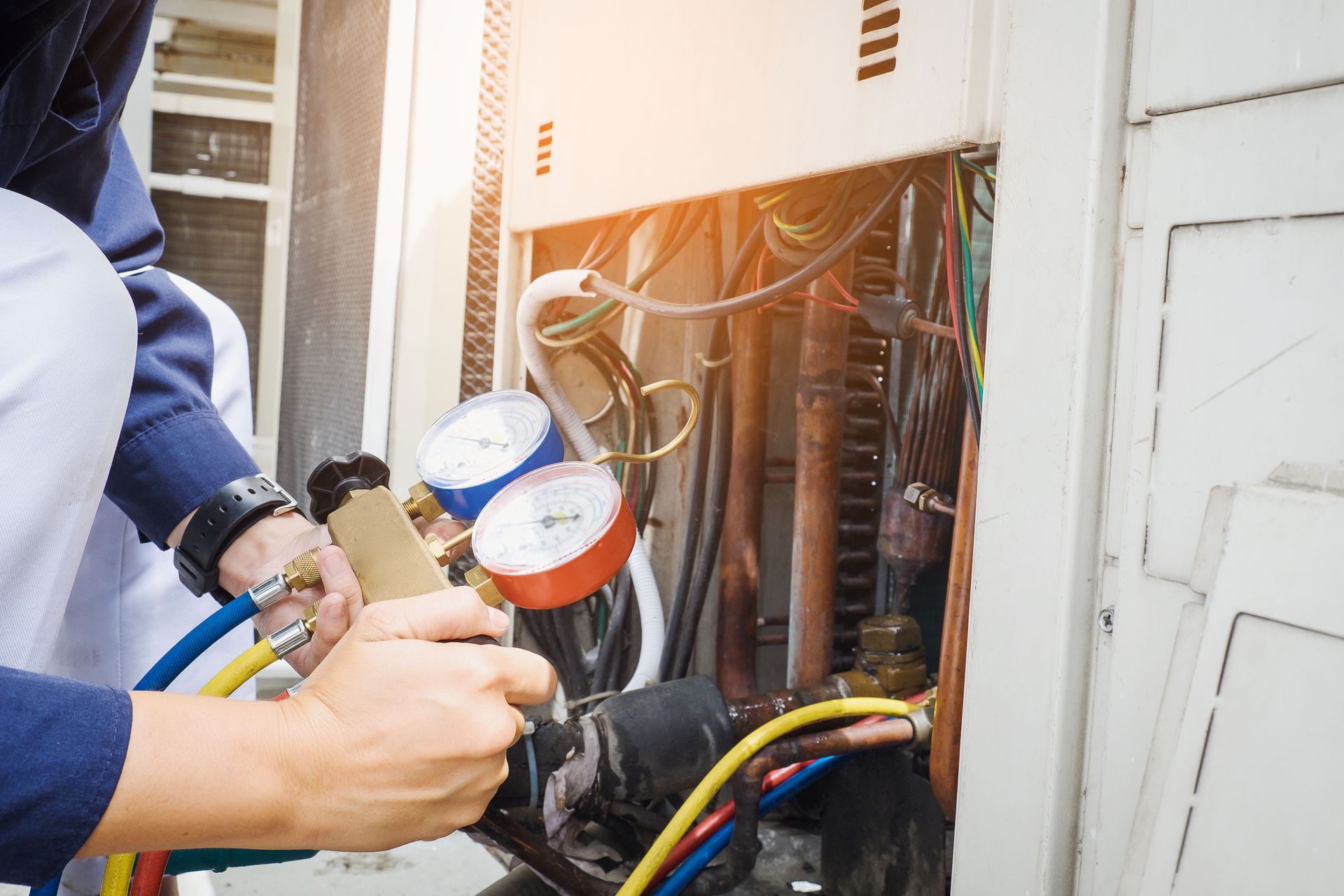
After all components are securely in place, the AC replacement process moves into the testing and calibration phase. Installers charge the system with the correct amount of refrigerant and perform a series of tests to check for leaks and proper airflow. They also verify that the thermostat communicates correctly with the unit and that the heating and cooling cycles trigger as expected. This final tuning allows the technicians to optimize the system settings for your specific environment. Taking the time to calibrate the equipment properly ensures immediate comfort and prevents minor issues from becoming larger problems down the road.
Long-Term Maintenance and Support
Following a successful AC replacement, maintaining the system is the key to protecting your investment. Regular professional check-ups, typically performed once or twice a year, involve cleaning coils, checking electrical components, and replacing filters. These simple steps keep the system running efficiently and help identify potential wear before it leads to a breakdown. Many homeowners find that a consistent maintenance schedule provides peace of mind, knowing their climate control system is always ready for the changing seasons. Proper care ensures that the high-efficiency benefits of your new unit remain consistent throughout its entire service life.
Investing in a new heat pump system is one of the most effective ways to enhance the comfort and value of your home. By understanding the phases of the process, from the initial evaluation to the final calibration, you can approach the project with confidence. The transition to modern HVAC technology brings lasting rewards in the form of lower energy bills, improved air quality, and reliable temperature control. When you are ready to move forward with your AC replacement, reach out to the dedicated professionals at Local Plumber and HVAC today.
Share On: