
Electric Water Heater Installation: How to Choose the Right Size and Model for Your Home
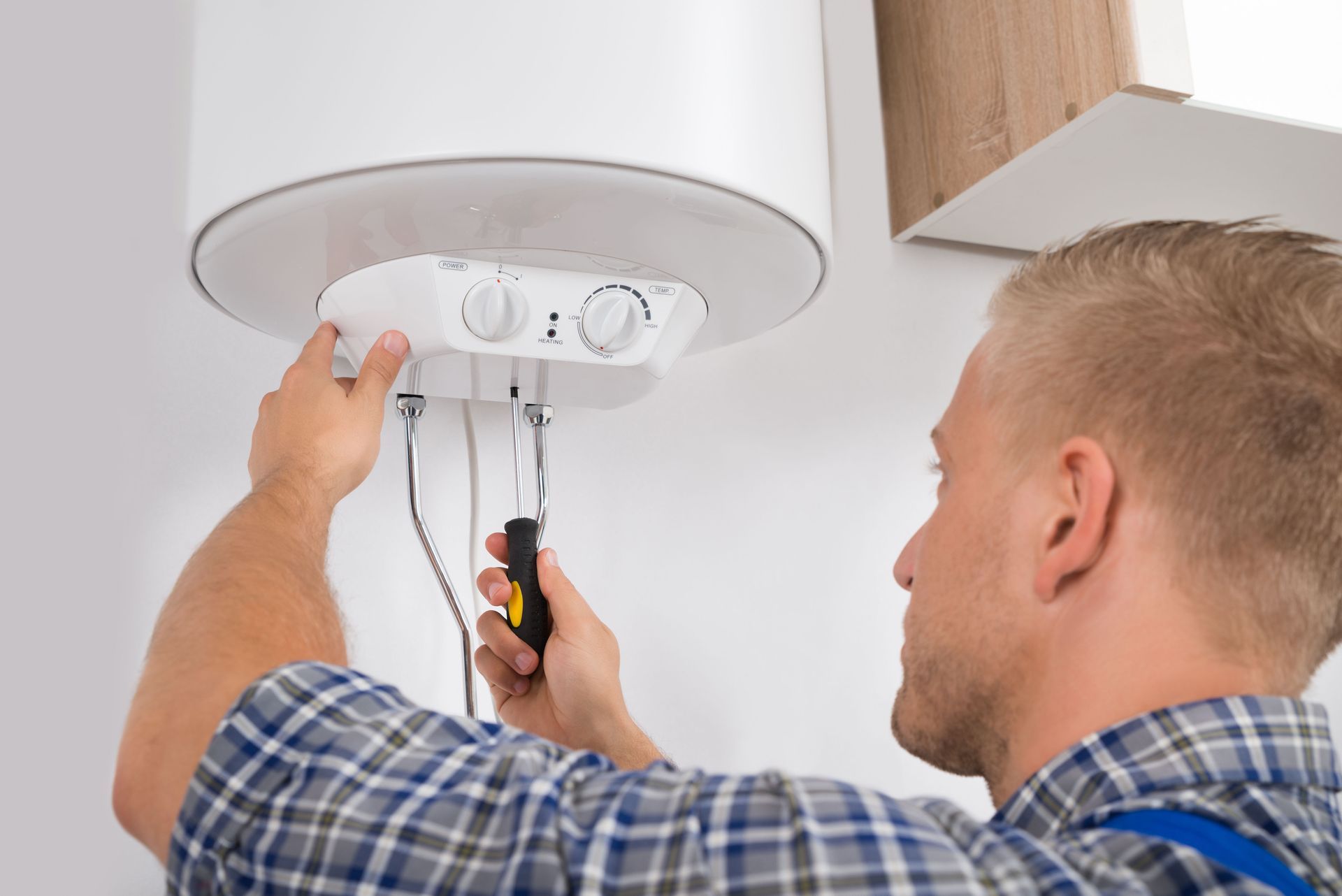
Choosing a new water heater is an important decision that affects comfort, energy efficiency, and daily convenience. Whether you are replacing an aging unit or installing a system in a newly constructed home, selecting the right model requires careful consideration. The wrong choice can lead to inconsistent hot water, higher utility bills, and unnecessary wear on the system.
Professional water heater installation ensures that homeowners receive expert guidance when selecting equipment that matches their household needs. Understanding the factors that influence performance and capacity can help you make a more informed decision and enjoy reliable hot water for years to come.
Evaluate Household Hot Water Demand
The first step in choosing the right electric water heater is understanding how much hot water your household uses regularly. Every home has unique demands based on the number of occupants, daily routines, and the types of appliances connected to the water heating system.
Families with frequent laundry loads, multiple showers, and regular dishwasher use generally require a larger capacity than households with fewer occupants. Assessing daily usage patterns helps professionals recommend equipment capable of meeting demand without excessive energy consumption.
A properly sized unit delivers consistent performance while avoiding the inefficiencies associated with systems that are either too large or too small. During a professional water heater installation, contractors evaluate household requirements to ensure the selected model supports everyday needs.
Compare Tank and Tankless Options
Electric water heaters are available in both traditional storage tank models and tankless systems. Each option offers distinct advantages depending on household preferences and usage habits.
Storage tank models keep a reserve of heated water available for immediate use. These systems are often preferred for their familiarity and ability to serve multiple fixtures simultaneously. Modern tank designs provide improved insulation and energy efficiency compared to older units.
Tankless systems heat water on demand rather than storing it in a reservoir. This approach can reduce standby energy losses and provide continuous hot water when properly sized. However, selecting the correct capacity is essential to ensure adequate performance during periods of high demand.
A professional water heater installation assessment can help determine which style best aligns with a property's requirements, available space, and long-term efficiency goals.
Consider Energy Efficiency Features
Energy efficiency plays a significant role in the overall value of a water heater. Modern electric units include advanced technologies designed to reduce energy consumption while maintaining dependable performance.
Features such as enhanced insulation, smart controls, programmable settings, and energy-saving operating modes can contribute to lower utility costs. Homeowners often benefit from selecting models that balance efficiency with the hot water demands of the household.
The growing importance of efficient equipment is reflected in market trends. According to Grandviewresearch.com, the global water heater market reached an estimated value of USD 31,814.5 million in 2025, highlighting strong demand for modern heating solutions that prioritize both performance and energy savings.
Choosing an energy-efficient system during water heater installation can provide long-term financial benefits while supporting environmental sustainability goals.
Examine Available Space and Placement Requirements
Physical space is another important consideration when selecting a water heater. Some homes have dedicated utility rooms with ample space, while others require installation in closets, garages, or compact mechanical areas.
The dimensions of the chosen unit must fit comfortably within the available space while allowing proper access for maintenance and future servicing. Ventilation, clearance requirements, and proximity to plumbing and electrical connections also influence equipment selection.
Tankless models often appeal to homeowners seeking space-saving solutions because they occupy significantly less room than traditional storage tanks. However, installation requirements vary based on the property's infrastructure and electrical capacity.
Professional water heater installation services help ensure the selected system is compatible with the available location and complies with all applicable building standards.
Review Recovery Performance and Reliability
A water heater's ability to meet ongoing demand depends not only on capacity but also on its recovery performance. Recovery refers to how quickly the unit can heat water after hot water has been used.
Households that frequently use hot water throughout the day benefit from systems capable of maintaining consistent availability. A unit with strong recovery capabilities helps prevent situations where occupants must wait for hot water to replenish after multiple showers or appliance cycles.
Reliability is equally important. Established manufacturers often offer advanced safety features, durable components, and warranties that provide additional confidence in long-term performance. Selecting a trusted model can reduce the likelihood of unexpected disruptions and costly repairs.
When planning water heater installation, homeowners should consider both immediate needs and future expectations to ensure dependable operation throughout the lifespan of the equipment.
Prioritize Professional Sizing and Installation Guidance
Selecting a water heater involves more than choosing a brand or model. Proper sizing requires evaluating household demand, energy goals, available space, and electrical requirements. These factors work together to determine which system will perform most effectively.
Professional contractors perform detailed assessments that help eliminate guesswork and reduce the risk of purchasing unsuitable equipment. Their expertise ensures that all aspects of the installation process are completed safely and according to applicable regulations.
In addition to selecting the appropriate unit, professionals can identify opportunities to improve efficiency through upgrades to plumbing connections, insulation, or related system components. Their recommendations help maximize the return on investment and support long-term reliability.
A carefully planned water heater installation provides peace of mind by ensuring the system is designed to meet both current and future household demands.
Understand Long-Term Ownership Costs
While purchase price is often a major consideration, homeowners should also evaluate the long-term costs associated with owning a water heater. Factors such as energy consumption, maintenance requirements, expected lifespan, and repair frequency can significantly influence the overall value of the investment.
An inexpensive unit may appear attractive initially, but could result in higher operating expenses over time. Conversely, a higher-quality model with efficient operation may offer greater savings throughout its service life.
Professional water heater installation specialists help homeowners compare options based on total ownership costs rather than upfront expenses alone. This approach supports more informed decisions and helps identify systems that deliver the best balance of affordability and performance.
Investing in quality equipment and expert installation often leads to fewer service interruptions and more predictable operating expenses over the years. High-quality water heaters are typically built with durable components that can better withstand daily use, helping reduce the likelihood of unexpected breakdowns and premature replacement. Professional installation also ensures that the system is properly sized, connected, and configured for optimal performance, which can improve efficiency and minimize unnecessary strain on the equipment.
Choosing the right electric water heater requires careful evaluation of household needs, efficiency goals, available space, and long-term performance expectations. By understanding these key factors and working with qualified professionals, homeowners can select a system that provides dependable hot water, energy savings, and lasting value. A thoughtfully planned water heater installation helps ensure comfort, convenience, and reliable operation for years to come.
If you're considering a new system and want expert guidance every step of the way, contact Local Plumber and HVAC today. We can help you evaluate your home's needs, recommend the ideal solution, and complete your water heater installation with the professionalism and attention to detail you deserve.
Share On: