
When to Replace vs Repair Your Water Heater: What Every Homeowner Should Know
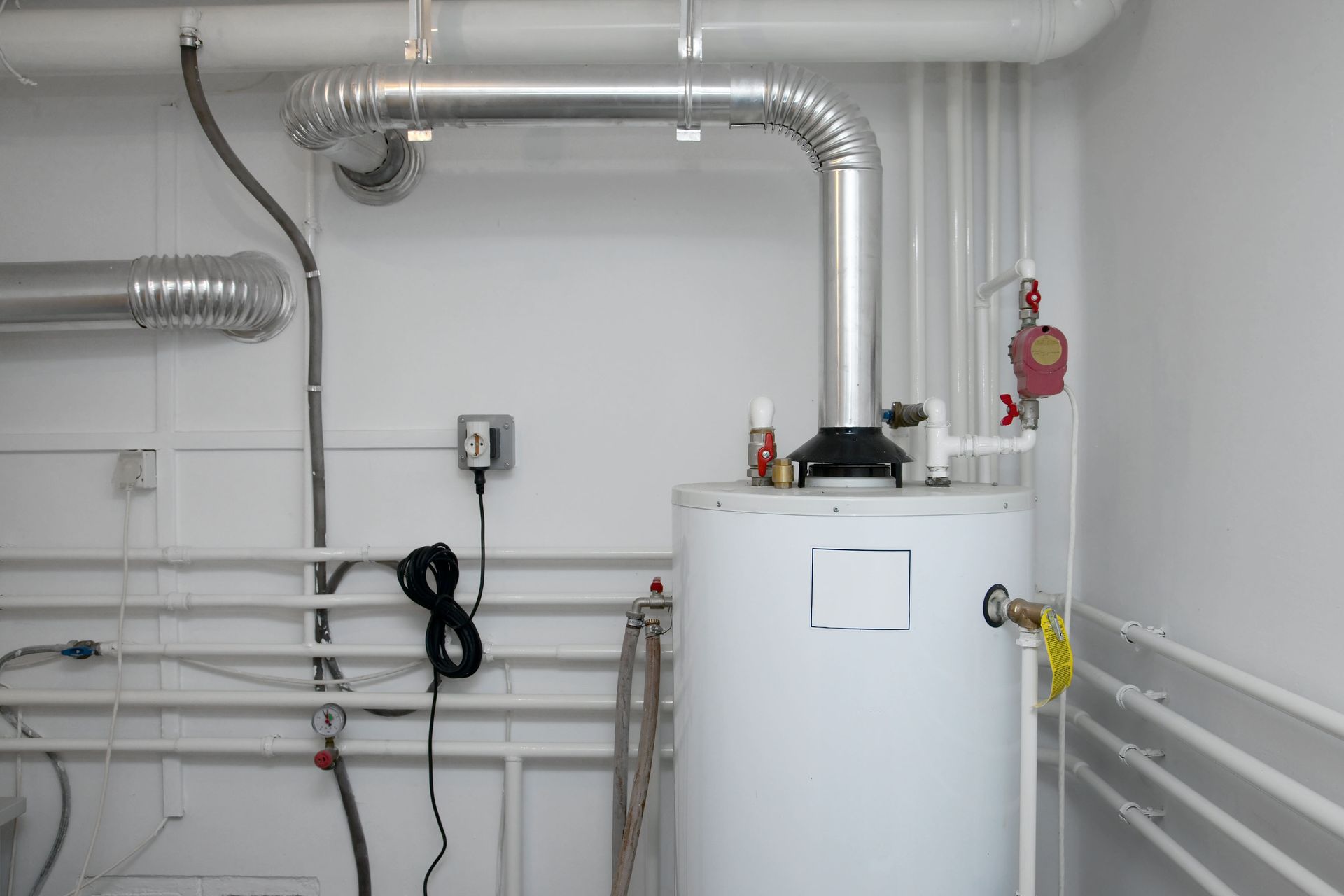
A water heater plays a central role in daily comfort, supporting everything from warm showers to dishwashing and laundry. When it begins to malfunction, homeowners often face a difficult question: should they repair the problem or move forward with a full replacement? The right choice depends on several factors, including the unit's age, efficiency, repair history, and overall performance. Making an informed decision helps protect your budget, maintain consistent hot water, and improve long-term system reliability. Whether you're dealing with inconsistent temperatures, odd noises, or a sudden system failure, learning how to evaluate your water heater's condition can help you take the most cost-effective and practical next step.
Recognizing Symptoms That Suggest Repairs Are Sufficient
Many common water heater issues can be fixed without replacing the entire unit. Understanding what falls into this category helps you avoid unnecessary expenses and extend the lifespan of your equipment. For example, sediment buildup is a frequent cause of rumbling sounds or reduced heating efficiency. In many cases, a professional flush can restore performance and help your system operate more smoothly.
Minor leaks may also be repairable depending on their location. If a leak originates from a loose valve, faulty connection, or compromised drain line, a trained technician can usually diagnose and correct the problem quickly. These targeted repairs allow you to extend the life of the system without making major changes. Homeowners frequently request water heater installation only to discover that a smaller repair resolves the immediate issue.
Temperature inconsistency may also be linked to a faulty thermostat or heating element rather than the tank itself. A repair of these components is typically more affordable and faster than a complete replacement. Addressing these issues early prevents additional strain on the unit and supports better performance over time.
Evaluating Warning Signs That Indicate It's Time for Replacement
Not every problem is repairable, and some symptoms clearly point toward the need to replace the unit entirely. Age is one of the strongest indicators. Traditional tank water heaters generally last between eight and twelve years depending on maintenance, water quality, and usage patterns. Once a system reaches this age range, breakdowns become more frequent, efficiency declines, and repairs may no longer deliver meaningful long-term benefits.
Rust-colored water is another serious indicator. If corrosion occurs inside the tank, it compromises structural integrity and signals that the system is nearing the end of its service life. No amount of repair can reverse internal tank corrosion; replacement becomes the only safe, reliable choice.
Large or persistent leaks are also strong signs that your water heater cannot be salvaged. When water escapes from the tank itself, the internal lining has usually deteriorated. Continued use increases the risk of major flooding, property damage, or sudden system failure. At that point, pursuing water heater installation protects both your home and your investment.
Additionally, if your unit struggles to produce sufficient hot water even after repairs or maintenance, it may no longer meet household needs. Growing families, increased appliance usage, and outdated tank size can all signal that it's time to upgrade to a more efficient model.
Understanding the Role of Smart and Sustainable Upgrades
Water heaters have evolved dramatically in recent years. Homeowners no longer have to settle for simple on-and-off functionality. Today's models offer significant improvements in durability, efficiency, and convenience. Smart technology, for example, enables you to monitor performance through an app, detect leaks early, and track energy usage. These features help prevent major repairs and reduce overall operating costs.
Sustainable options have also gained popularity. Heat pump water heaters and hybrid systems use significantly less energy than traditional electric or gas units. This shift toward environmentally conscious solutions reflects a larger trend in home improvement. According to Workyard, 31% of homeowners aged 18–34 say they would pay for smart or green plumbing solutions, showing a clear preference for efficiency and innovation.
When deciding between repair and replacement, consider whether your current system offers the features, savings, and reliability you want. If not, upgrading through professional water heater installation gives you access to these modern improvements while supporting long-term value.
Knowing When Repair Costs Outweigh the Benefits
Sometimes repairs appear affordable at first glance, but the total cost over time becomes far less practical than a full replacement. If your water heater requires multiple component replacements—such as heating elements, thermostats, valves, and pressure regulators—the financial burden can add up quickly. Each repair temporarily restores function but does little to reset the overall lifespan of the system.
Another factor involves energy efficiency. If your current unit operates at a low efficiency rating, you may be paying far more in utilities than necessary. Even after repairs, older systems cannot reach the performance levels of newer models. Moving forward with water heater installation may help you save hundreds of dollars annually depending on your water usage and local utility rates.
Additionally, waiting too long to replace an aging water heater can increase the likelihood of failure at an inconvenient time. Emergency replacements are generally more stressful and often more expensive. Proactive replacement helps you plan the process on your own schedule.
Assessing Capacity Needs and Household Demands Before Choosing
It's important to consider how your hot water needs have changed over time. A system that worked well for a smaller household may no longer meet the demands of a growing family. Showers, dishwashers, and laundry all draw from the same system, and an undersized water heater can struggle to keep up.
Tank water heaters come in a range of sizes, while tankless models offer continuous hot water without relying on stored capacity. When discussing repair or replacement options, a professional can evaluate whether your current model is properly sized for your home.
If a lack of capacity drives your water issues, repairing the old unit will not solve the problem. In these cases, scheduling water heater installation allows you to upgrade to a unit that better supports your lifestyle.
Preparing for Replacement and Understanding What to Expect
If you determine that replacement is the best option, knowing what to expect can make the process smoother. A professional technician will assess your existing system, check gas or electrical connections, and evaluate your home's plumbing to determine compatibility with modern models.
During water heater installation, technicians remove the old unit, prepare the installation area, connect the new system, and run performance tests to confirm proper operation. This process typically takes only a few hours, and many homeowners notice immediate improvements in water temperature consistency and recovery speed.
Proper installation is essential for both safety and efficiency. Choosing qualified professionals ensures the system performs at its highest level and supports long-term reliability.
Deciding whether to repair or replace your water heater requires careful consideration of age, efficiency, cost, and household needs. While some issues can be addressed through simple repairs, others clearly point toward replacement as the safer and more cost-effective choice. Modern systems offer better performance, improved energy efficiency, and smart features that support long-term value. Whether your goal is to reduce utility bills, experience more consistent hot water, or take advantage of the latest technology, upgrading through professional water heater installation may be the most practical solution.
If you're ready to discuss your options or schedule reliable service, contact us at Local Plumber and HVAC. We're here to help you choose the best path forward for your home's comfort and long-term peace of mind.
Share On: