Why Ignoring a Noisy AC Unit Can Double Your Repair Bill
Our homes provide comfort and shelter, but the soothing environment can be disrupted by the jarring sound of a noisy air conditioning unit. This article explores the common reasons why your AC might be making those unsettling noises and why turning a blind ear can lead to steep repair costs down the road. Ignoring the sound could mean more than just fleeting discomfort; it could double your repair bills by causing the deterioration of critical components. Addressing these issues early with professional HVAC services can ultimately preserve your peace of mind and your bank account.
1. What Causes an AC Unit to Make Noise?
1.1 Common Noises and Their Sources
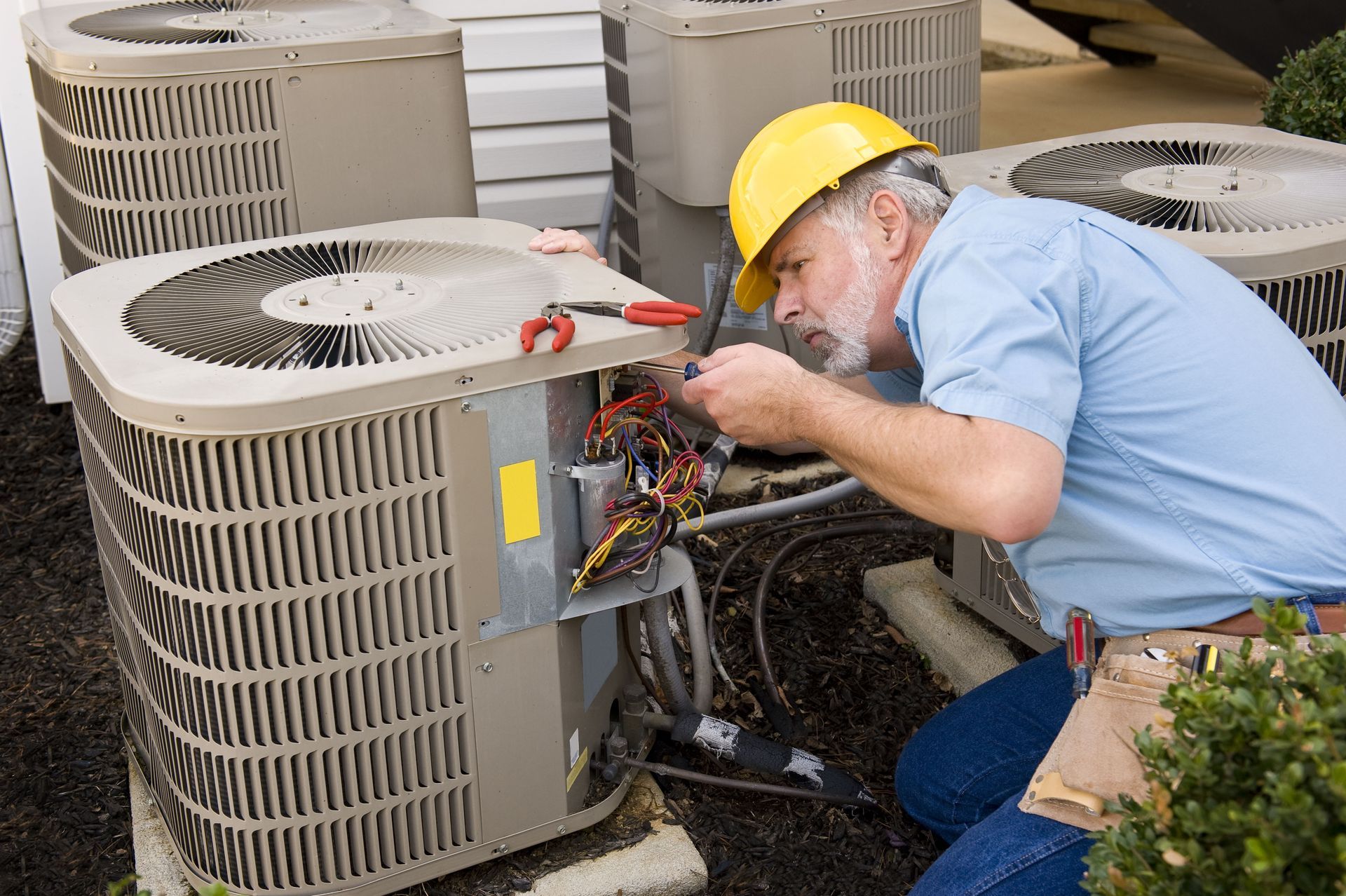
Air conditioners can produce a variety of noises, each indicative of different underlying issues. A rattling sound often originates from loose parts or debris within the unit, which can create friction and further damage. If you hear hissing, it might be due to a refrigerant leak, which affects the cooling function and efficiency of the system. HVAC services experts can identify these sounds and provide appropriate solutions before they escalate into costly repairs.
Buzzing noises can be attributed to electrical issues, including malfunctioning relays or loose connections, posing potential hazards. Without prompt attention, these electrical disruptions can damage the unit's compressor or lead to complete system failure. Continuous banging sounds often signal that something has become detached or broken inside the compressor. Timely intervention is essential to avoid escalating the issue and potentially harming other components.
Another common noise is clicking during the startup and shutdown, which is often normal but could indicate a defective capacitor or a failing thermostat. Squealing noises, on the other hand, might point to problems such as a misaligned fan belt. It's best to consult with HVAC services to evaluate these sounds and recommend preventive maintenance strategies. By understanding these potential problems, homeowners can proactively arrange for repairs before they become significant and costly issues.
1.2 The Risks of Ignoring These Noises
Ignoring the noises emanating from your AC unit can lead to a range of risks that affect both the system's functionality and your safety. Over time, persistent noise can indicate worsening conditions that might lead to complete system shutdown. With 88% of U.S. households utilizing air conditioning, according to Workyard, neglecting these noises can result in widespread inefficiencies. If unchecked, these issues might require urgent, costly repairs or even complete system replacement.
The longer the issue lingers, the greater the wear and tear on the unit, reducing its lifespan and requiring more frequent repairs. Additionally, prolonged exposure to certain issues like electrical faults or refrigerant leaks could pose health and safety risks. Homeowners may face inflated energy bills due to inefficient AC function, particularly if essential components become compromised. Professional HVAC services should be engaged swiftly to mitigate these threats and maintain optimal system performance.
To make matters worse, ignoring AC unit noises can invalidate warranties, leaving homeowners to shoulder repair costs entirely. Manufacturers typically have stringent maintenance requirements, and failing to adhere to these can nullify any coverage. This financial vulnerability further underscores the importance of addressing issues early. Engaging HVAC services not only ensures adherence to maintenance protocols but also provides peace of mind through professional guidance and intervention.
2. How Does a Noisy AC Unit Affect Your Energy Bills?
2.1 Energy Efficiency and AC Performance
An air conditioner's efficiency is intricately linked to its performance and the noises it produces. A smoothly operating unit consumes energy at expected levels, but when noises arise, it often means that performance efficiency is slipping. This inefficiency causes the compressor to run longer, consuming additional power and spiking energy usage. Engaging HVAC services to diagnose these inefficiencies is key, as they can recalibrate the system, optimize its operation, and restore energy efficiency.
Noisy units can indicate problems such as a lagging motor or obstructions in airflow, both of which lead to increased energy consumption. When components struggle to function properly, the unit expends more power to reach desired comfort levels. This increased energy expenditure is directly reflected in higher energy bills, placing financial strain on homeowners. By working with HVAC services, these issues can be resolved quickly, returning the unit to an efficient and cost-effective state.
Efficient HVAC systems not only save money on energy bills but also contribute to sustainable energy consumption. A system that operates optimally generates less waste in terms of energy output, aligning with eco-conscious living. Therefore, addressing noisy AC units is essential in supporting both economic and environmental goals. Professional HVAC services play a crucial role in ensuring that units run efficiently, benefiting both the homeowner's wallet and the planet.
2.2 The Link Between Noise and Energy Consumption
There is a clear correlation between the noises produced by an AC unit and its energy consumption. Noises often suggest mechanical strain, which in turn requires the system to draw greater energy to maintain operation. This excessive strain is commonly linked to inefficiencies in parts such as fans or compressors, which cannot perform optimally. HVAC services can address these inefficiencies, reducing noise and thereby lowering energy consumption simultaneously.
A poorly maintained AC, characterized by constant noise, fails to regulate temperatures efficiently, meaning it runs longer cycles that consume more electricity. This not only leads to substantial rises in electricity bills but also hints at underlying systemic issues. By identifying and rectifying these concerns early on through HVAC services, homeowners can avert unnecessary hikes in energy consumption. This approach ensures continuous optimal operation while preventing avoidable expenses.
Moreover, excess noise typically indicates challenges like airflow restrictions, leaks, or electrical faults—all contributors to higher energy demands. When the system struggles against these impediments, energy consumption inadvertently rises. Regular servicing and timely interventions by HVAC services effectively mitigate these elements, achieving harmony between noise control and energy efficiency. Consequently, homeowners experience normalized utility bills and a quieter living environment.
3. What Happens If You Ignore a Noisy AC Unit?
3.1 Progressive Damage Over Time
The ramifications of ignoring a noisy AC unit extend far beyond mere discomfort; over time, they result in significant and progressive damage. What begins as an annoying buzz or rattle can quickly develop into mechanical failures, as continued operation under stressed conditions causes wear and tear on essential components. This not only affects the efficiency of your AC but exacerbates the likelihood of system breakdowns. HVAC services can intervene deftly to prevent this cumulative damage, ensuring longevity and reliability.
As neglected issues compound, repair efforts become more complex and costly, often involving comprehensive component replacements. This gradual degradation forces the unit to work harder, reducing its effectiveness in cooling while inflating energy expenses. Without professional attention, what might have been a simple adjustment could transform into a major overhaul. Prompt consultation with HVAC services can avert these scenarios, safeguarding against unforeseen expenses and prolonged downtime.
3.2 Urgent Repairs Versus Routine Maintenance
Navigating the decision between urgent repairs and routine maintenance is essential in managing a noisy AC unit. When noises indicate immediate concerns like malfunctioning motors or hazardous electricity, urgent repairs are advisable to prevent exacerbating the damage. While these repairs resolve immediate emergencies, they are typically more costly than regular upkeep. Regular servicing by HVAC services dramatically reduces the need for these urgent interventions by maintaining system health proactively.
Routine maintenance, on the other hand, provides ongoing care and inspection, effectively identifying minor issues before they become emergencies. For homeowners, the cost savings from preventing emergencies and enhancing system efficiency are substantial. This approach capitalizes on minor investments over time rather than incurring steep expenses in single instances. HVAC services play a pivotal role in providing routine maintenance schedules, helping to manage costs, and achieving optimal system operation.
In addressing the critical signs of a noisy air conditioning unit, one can uncover deeper insights into its health, efficiency, and need for immediate action. It is essential to engage HVAC services proactively to unlock long-term savings and sustained comfort. The adage "a stitch in time saves nine" holds significant importance in maintaining AC systems, catalyzing both operational longevity and fiscal prudence. Ultimately, addressing noisy AC unit issues promptly ensures that comfort prevails, costs are contained, and the system maintains optimal performance without unwarranted disturbances. Reach out to Local Plumber and HVAC today to see how we can help you!
Share On: